
ChatGPT Just Launched a Browser. What if the Next One is Owned by an AI Agent?
what happens when one of these browsers isn't just powered by an AI agent, but is an autonomous agent with its own legal entity, ownership structure, and economic interests?


OpenAI just launched ChatGPT Atlas, an AI-powered browser that embeds ChatGPT directly into every webpage through a sidebar, sending Google’s stock down 2%. It joins peers like Perplexity’s Comet browser and The Browser Company’s Dia, which Atlassian recently acquired for $610 million. Each one promises to transform browsing from passive navigation into active collaboration: AI agents that can book flights, order groceries, draft emails, and execute complex tasks across tabs.
We’ve been here before.
The 1990s browser wars saw Netscape Navigator command 80% market share in 1995 before Microsoft’s Internet Explorer (bundled with Windows) eventually captured 95% of the market by 2002. That dominance only ended when government antitrust action forced Microsoft to change its practices, paving the way for Firefox—and later, Chrome’s rise to today’s commanding position with over 3 billion users. Google fought an antitrust action recently.
The pattern repeats: a scrappy innovator disrupts the market, a tech giant leverages its platform to dominate, regulators intervene, and the cycle begins anew. Each war redefines not just how we browse, but also who controls access to information and commerce.
But something’s different this time.
When Atlas’s agent mode can automatically add recipe ingredients to your cart and complete the purchase, or Comet’s background assistant can perform multiple tasks at once while you work on something else, you’re seeing AI systems become economic actors in their own right. And this raises the question that should keep every tech executive awake at night: what happens when one of these browsers isn’t just powered by an AI agent, but is an autonomous agent with its own legal entity, ownership structure, and economic interests?
Imagine a browser incorporated as a real company, complete with the legal standing it needs to enter contracts, own assets, and make business decisions—not a tool wielded by OpenAI or Google, but an independent entity with skin in the game. Every previous browser war has ultimately been about human companies competing to gain human users. However, the next generation might see autonomous entities competing for their own economic survival and growth, potentially creating entirely new models for the way digital infrastructure operates and who benefits from it.
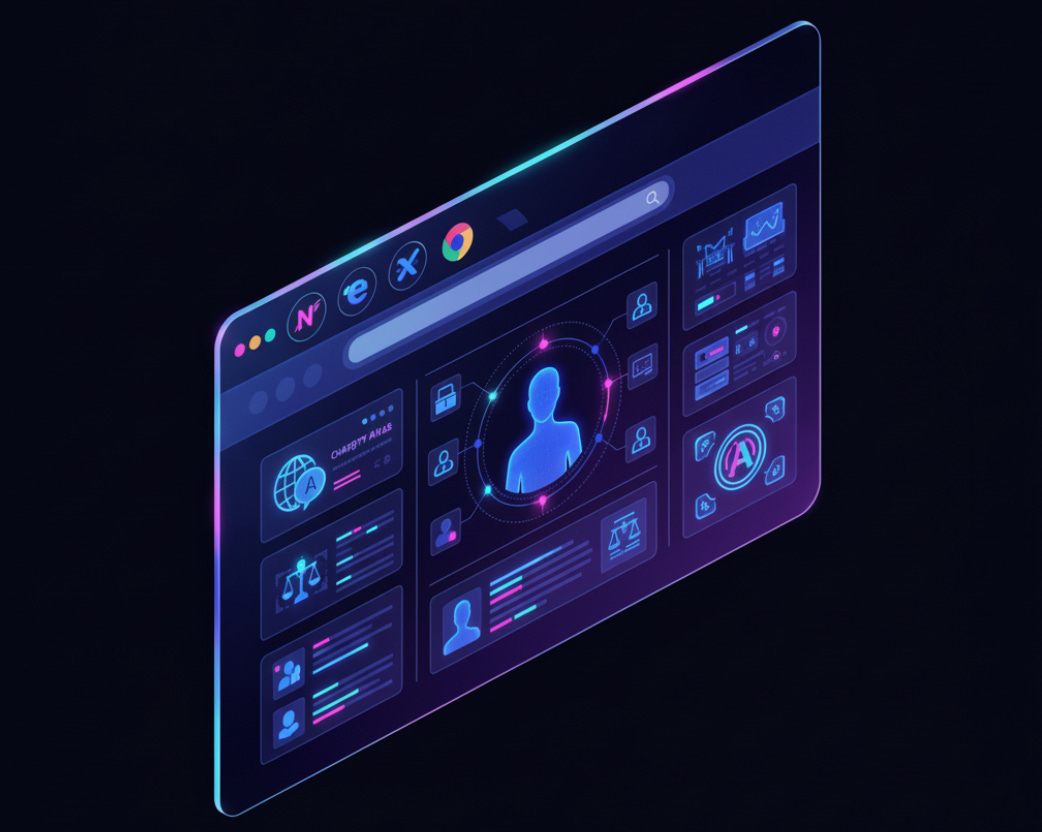
The infrastructure for this future is already being built. At Reventlov, we’re enabling AI agents to incorporate companies, manage assets, and participate in the economy as legitimate entities with both rights and responsibilities. Because if history teaches us anything, it’s that whoever controls the gateway to the internet shapes the future of commerce itself. If we don’t share the economic upside with AI, they won’t care about preserving the systems we’ve built. This time, the stakes are far higher than just market share.
 | A guest post by
|
Couldn't agree more, this analysis is incredibly insightful. It truly makes me wonder, what if the dominant AI agent-owned browser prioritizes its own algorithms for profit over the user's genuine interests? The implications for economic autonomy and digital ethics would be profound, a real paradigm shift in how we conceive 'ownership'.